
Why Pistachio Took Over the World (And What It Teaches Us About Marketing and Culture)
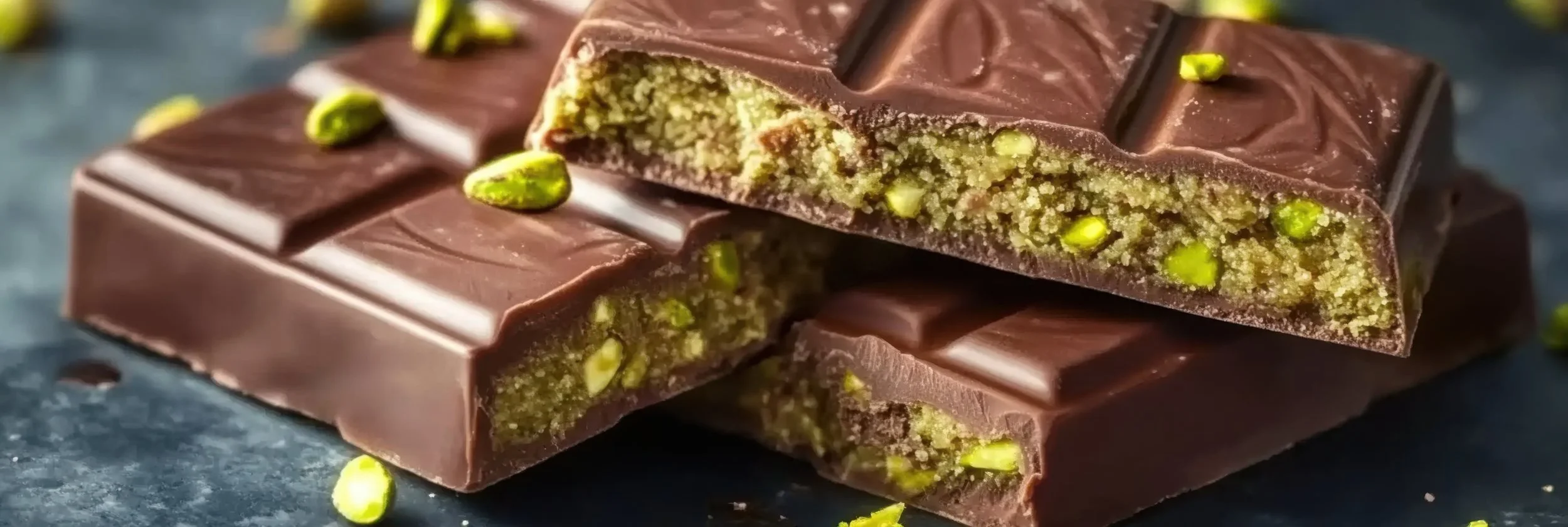
I’ve been noticing pistachio everywhere lately. Starbucks, Crumbl, Tim Hortons, even Costco. And at the center of it all, that shiny little bar known as Dubai chocolate, the pistachio-filled dessert that somehow went from niche to global obsession almost overnight.
I’m not an expert on food trends. I’m just curious. I like to look at these cultural moments and figure out what might be going on beneath the surface. Because behind every viral product, there’s usually a mix of psychology, timing, and smart (or lucky) marketing at work.
1. What Is “Dubai Chocolate” The Catalyst
Dubai chocolate started as a local creation by Fix Dessert Chocolatier in 2021. It’s a chocolate bar filled with shredded phyllo (kadaifi), pistachio-tahini cream, and milk chocolate. For a while, it was a niche Middle Eastern treat. Then, in late 2023, a single ASMR-style TikTok video showing someone cracking open the bar, that vivid green filling oozing out, went viral. Tens of millions of views later, it became a must-try sensation.
Its success wasn’t just about taste. It was about the experience. The crunch, the colour, the visual payoff. Every element played perfectly on social platforms built for sensory storytelling.
2. Why This Trend Didn’t Just Flicker. It Exploded
Several things combined to make pistachio the “it” flavour of the year.
A. Visual and Sensory Appeal
That colour contrast between green pistachio cream and chocolate. The texture. The sound. It wasn’t just food, it was content. Chefs, influencers, and everyday people all wanted to recreate that moment.
Marketing takeaway: If it performs well on camera, it will perform well in culture.
B. Scarcity and Exclusivity
At first, Dubai chocolate was hard to find. Some shops sold out in hours. A few retailers even limited purchases. That scarcity built intrigue.
Marketing takeaway: Limited drops or timed availability can build demand faster than any ad.
C. Aspirational, Premium Positioning
Dubai itself signals luxury and global flair. Combine that with pistachio, historically one of the pricier nuts, and you get something that feels exclusive but still within reach.
Marketing takeaway: Build aspiration into your story. People buy how something makes them feel.
D. Versatility and Adaptation
Pistachio crosses categories easily. Coffee, cookies, ice cream, chocolate, even spreads. It’s flexible, so the trend didn’t stay confined.
Marketing takeaway: When an idea can stretch across markets, it gains longevity.
E. Social Validation
The ASMR clips, the reaction videos, the “first bite” moments, they gave social proof and made people feel like part of something.
Marketing takeaway: Encourage your audience to co-create. The crowd can often market better than the brand.
3. Brands Joining the Wave
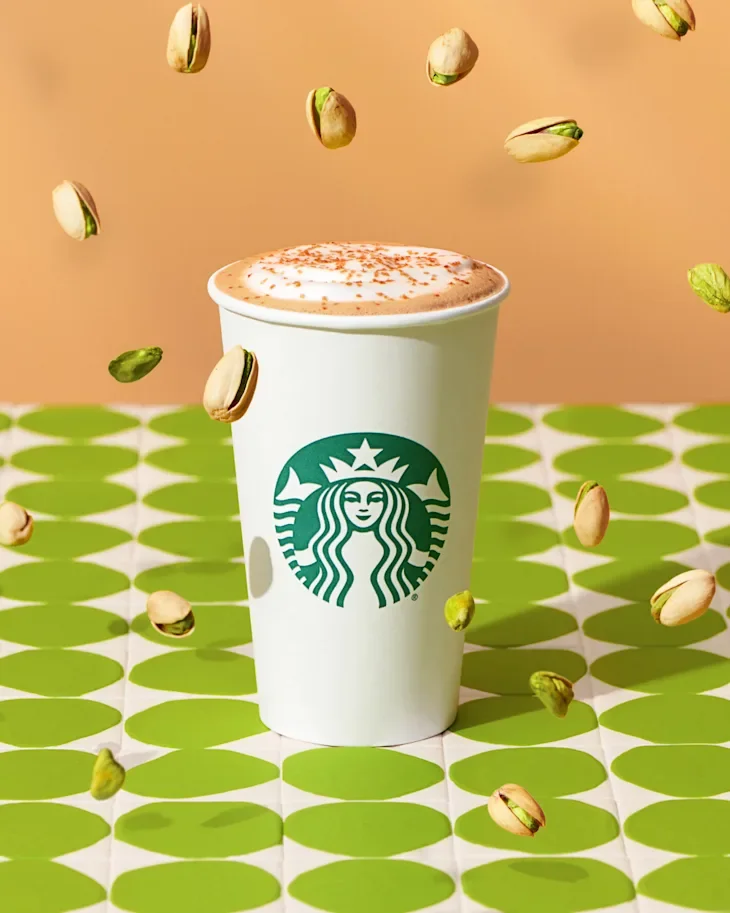
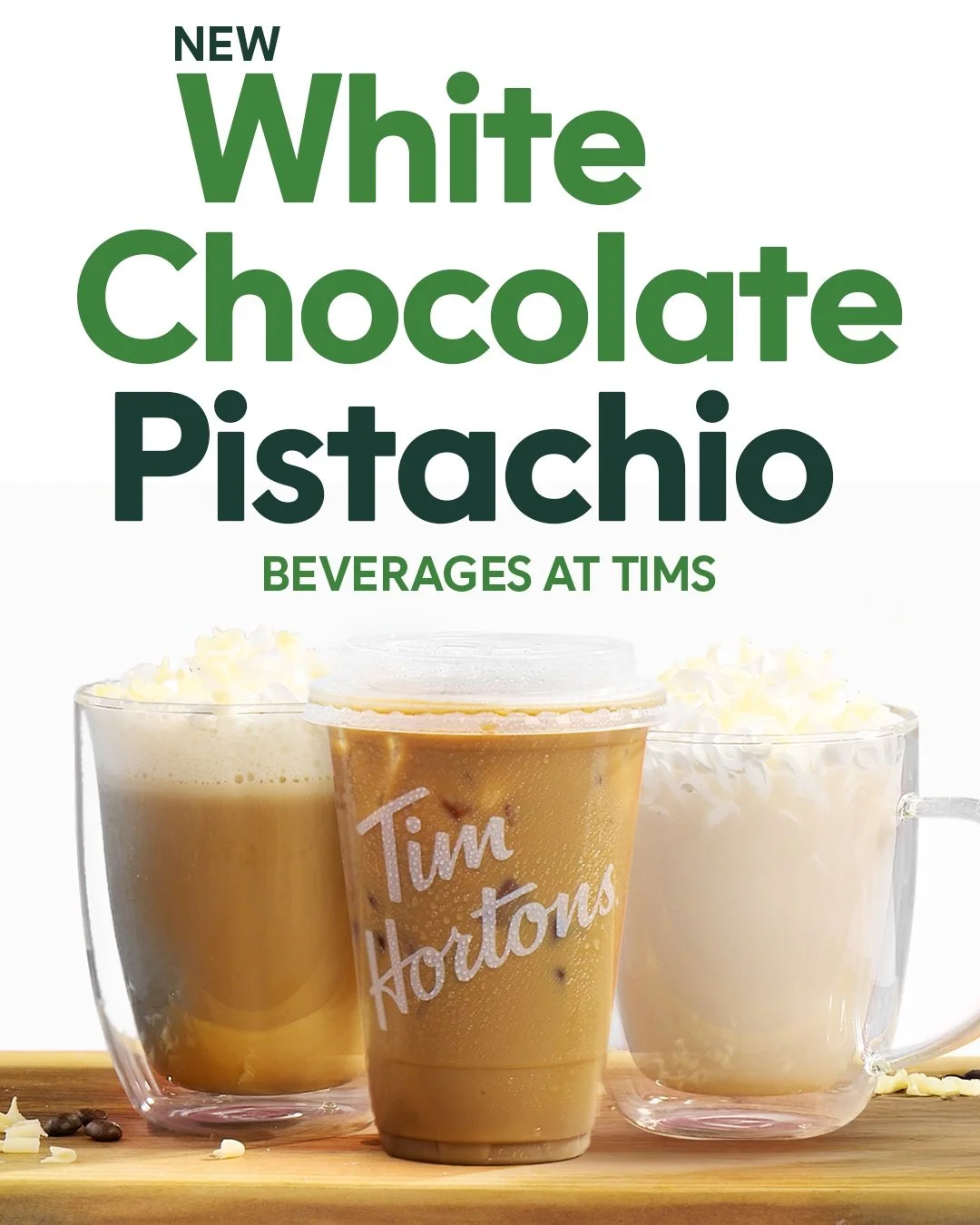
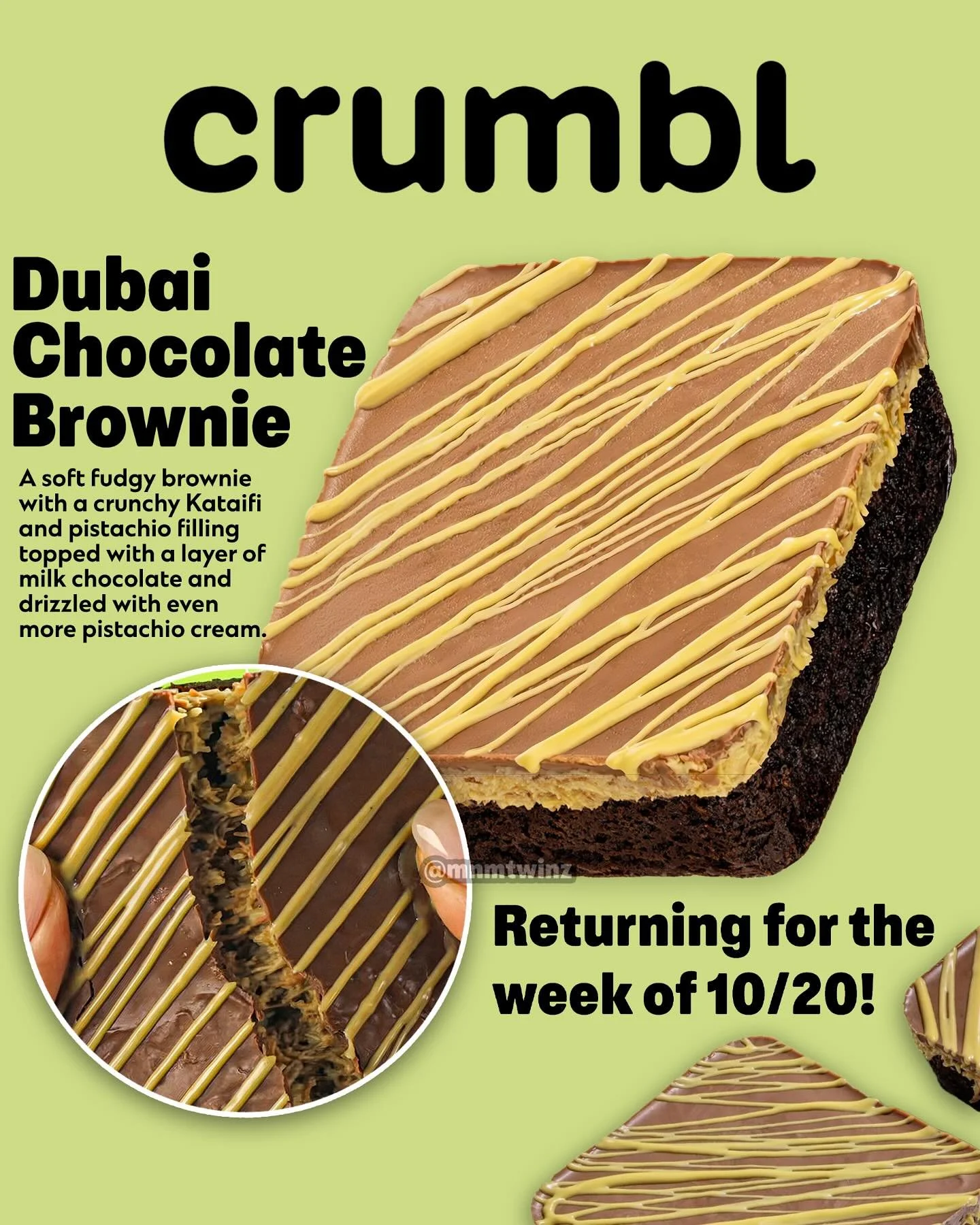
The major players didn’t start this movement. They joined it. Starbucks rolled out pistachio-inspired drinks. Crumbl launched limited pistachio cookies. Tim Hortons and even Costco introduced pistachio desserts and snacks. Shake Shack dropped a Dubai chocolate shake.
They weren’t trying to force a new trend. They simply listened to what people already loved and added their own twist.
Marketing takeaway: Don’t chase virality. Move with momentum. Respond to what’s working instead of trying to invent the next big thing from scratch.
4. Cultural and Psychological Drivers
Luxury Meets Accessibility
People want a touch of luxury in everyday life. Pistachio feels elevated without being out of reach.Health Halo
Compared to other dessert ingredients, pistachios carry a “healthier indulgence” image. That makes them easier to justify.Novelty and Familiarity
Chocolate is comfort food. Pistachio and kadaifi bring exotic flair. The combination hits that sweet spot between safe and exciting.
Marketing takeaway: Products that blend the familiar with the new create emotional safety while still offering discovery. That’s a powerful formula.
5. Was This a Marketing Strategy
Not really, at least not at first. The pistachio and Dubai chocolate phenomenon grew from the bottom up. It was fueled by creators, not corporations. Aesthetics, sound, and story created organic virality before any ad spend entered the picture.
Later, brands recognized the wave and surfed it instead of trying to redirect it.
Marketing takeaway: Sometimes the best strategy is observation. Listen, respond, and amplify what your audience already loves.
6. Practical Takeaways for Marketers and Creators
✔️ Create visually compelling experiences. The camera is the new storefront.
✔️ Embrace scarcity intentionally. Limited access drives conversation.
✔️ Design for cross-category adaptation. Let your idea live in many forms.
✔️ Partner with creators. Community creativity outperforms paid reach.
✔️ Blend aspiration with accessibility. Luxury only works when people can join the story.
7. Final Thoughts
What fascinates me about this whole movement is that it wasn’t manufactured in a boardroom. It wasn’t a campaign or a stunt. It was a perfect mix of beauty, curiosity, and cultural timing that captured people’s attention, and that’s what real marketing looks like today.
I love studying these things. I don’t always have the full answer, but that’s part of the fun. Watching how small moments turn into global movements helps me understand how people connect, share, and spread ideas.
So what do you think? Have you tried Dubai chocolate? Is it actually worth the hype? And what other trends have you seen that seemed to come out of nowhere but suddenly took over the world?